
Search Texas Jail Rosters
Texas jail rosters are public records that show who is currently held in county jails across the state. Each of Texas's 254 counties runs its own jail, and most now offer online inmate search tools so you can look up a person by name or booking number at any time. The information on a jail roster typically includes the inmate's name, booking date, charges, bond amount, and current status. Some counties update their rosters every few hours, others daily. This page pulls together what you need to search the Texas jail roster system and find the right county or city for your search.
Texas Jail Roster Quick Facts
How to Search the Texas Jail Roster
Texas does not have a single statewide jail roster. Each county sheriff runs its own jail and its own inmate search system. To find someone in a Texas county jail, you need to know which county they were booked into. Once you know that, go to the sheriff's website for that county and use their inmate search tool. Most let you search by last name or booking number.
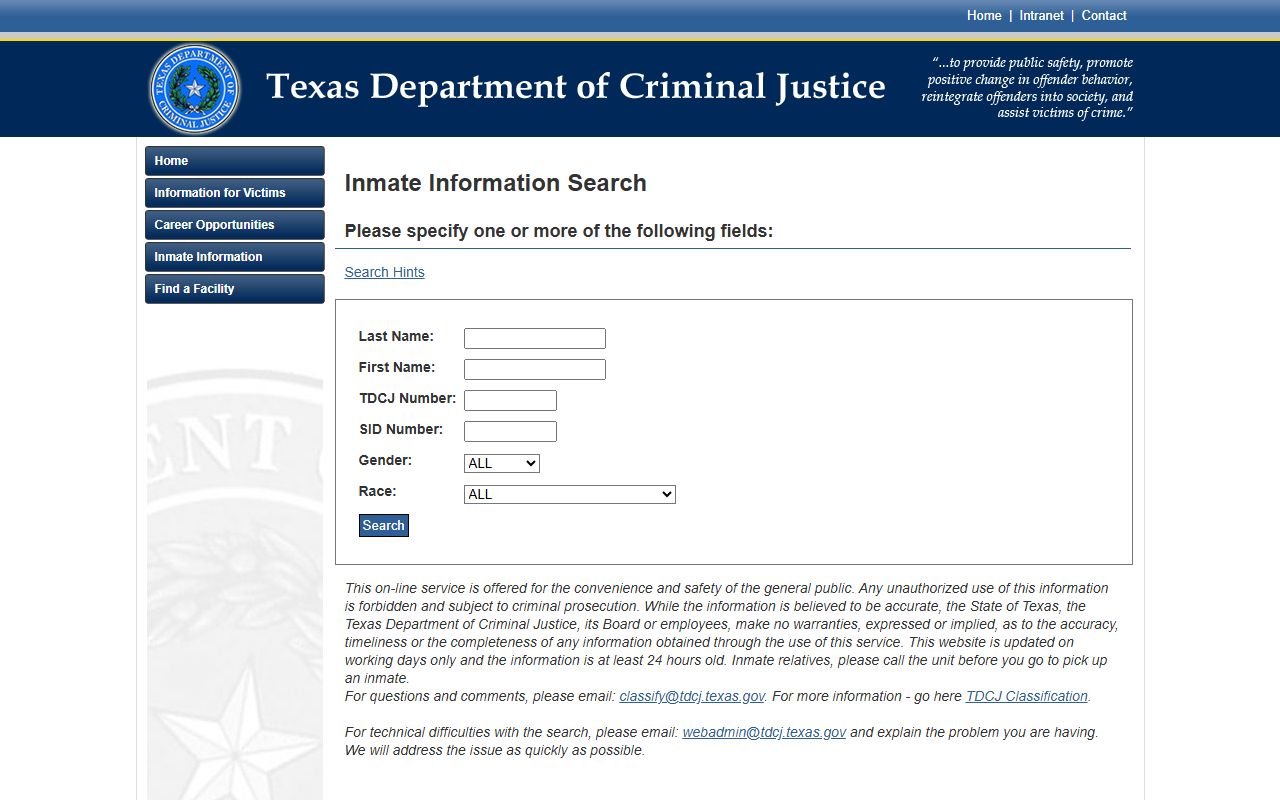
The Texas Department of Criminal Justice Inmate Search is not the same as a county jail roster. TDCJ covers state prisons and state jails, not county lockups. If the person was convicted and sent to a state facility, TDCJ is the right place. If they were recently arrested and are awaiting trial, the county jail roster is where you look. The search at TDCJ requires a last name and first initial, a TDCJ number, or a state identification number. Results show facility location, projected release date, and basic personal info.
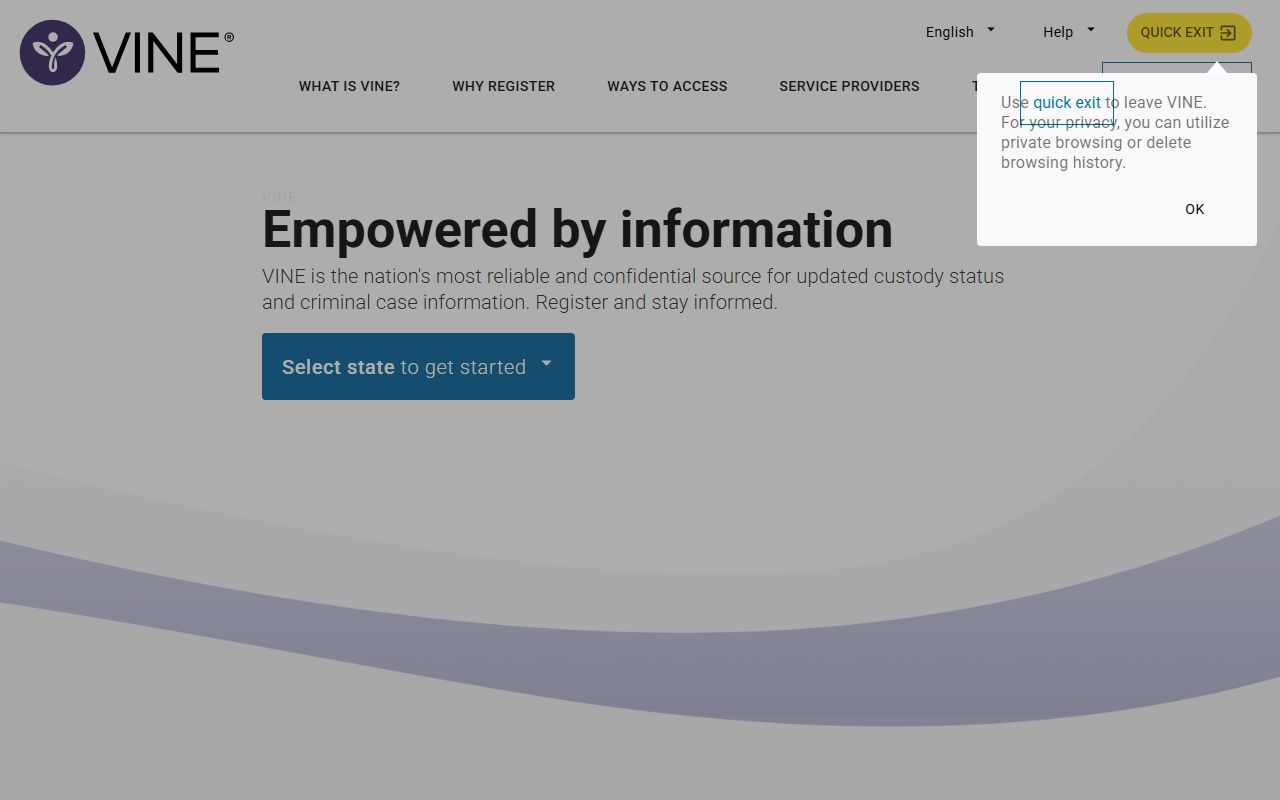
For victims who want to track an offender's release, the VINELink system covers many Texas county jails. You can search by name or booking number, check current status, and sign up for automatic notifications by phone or email when an inmate's status changes. The service is free and confidential.
Texas County Jails and the Jail Roster
Every county in Texas must maintain a jail facility and keep a record of who is booked in and out. The county sheriff manages the jail. The Texas Commission on Jail Standards sets minimum requirements for how all 254 county jails must operate, including record-keeping, inmate processing, and public access to booking information.
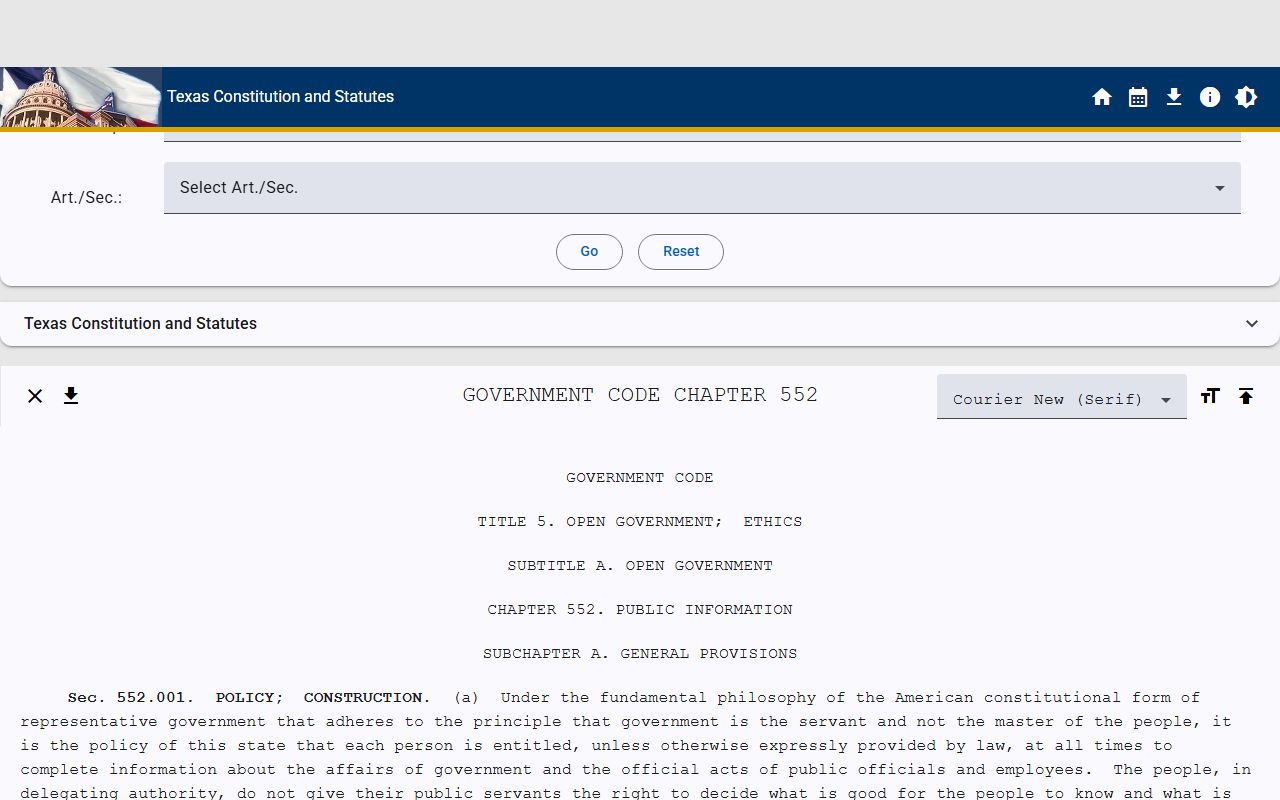
When a person is arrested in Texas, they go through a booking process. Officers collect their personal information, take a photo, and record their fingerprints. They log the charges, set a bond amount, and assign the person a booking number. All of this goes into the jail's records. Most of this information becomes part of the public jail roster under the Texas Public Information Act, Government Code Chapter 552, which gives the public the right to access government records including arrest and booking data.
Texas Commission on Jail Standards regulations are in Title 37, Part 9, Chapter 265 of the Texas Administrative Code. These rules require jails to conduct thorough searches on each inmate upon entry, maintain inmate rules in written form, and provide medical screening. The standards help ensure that all Texas county jails maintain accurate records from the moment of booking.

The largest county jail in Texas is Harris County, which holds roughly 9,000 inmates at any given time. The facility at 1200 Baker Street in Houston is the third largest county jail in the entire country. Dallas County's Lew Sterrett Justice Center at 111 Commerce Street is another major facility. Tarrant County operates the Corrections Center in Fort Worth. Bexar County Jail in San Antonio and Travis County Jail in Austin also handle thousands of bookings each year.
What Information Is on a Texas Jail Roster
A standard Texas county jail roster shows the inmate's full legal name, booking number, date of birth, and the date and time they were booked. You'll also see the charges filed against them, the bond amount set by the magistrate, and their current custody status. Some rosters also show housing location, projected release date, and a booking photo when one is available.
Texas law under the Code of Criminal Procedure requires that arrested individuals be brought before a magistrate within 48 hours. At that hearing, the magistrate sets bail. The bond amount shown on the jail roster reflects that determination. The type of charge matters too. Felony cases typically carry higher bail than misdemeanors. Some charges come with no-bail holds.
Texas DPS Crime Records and Criminal History
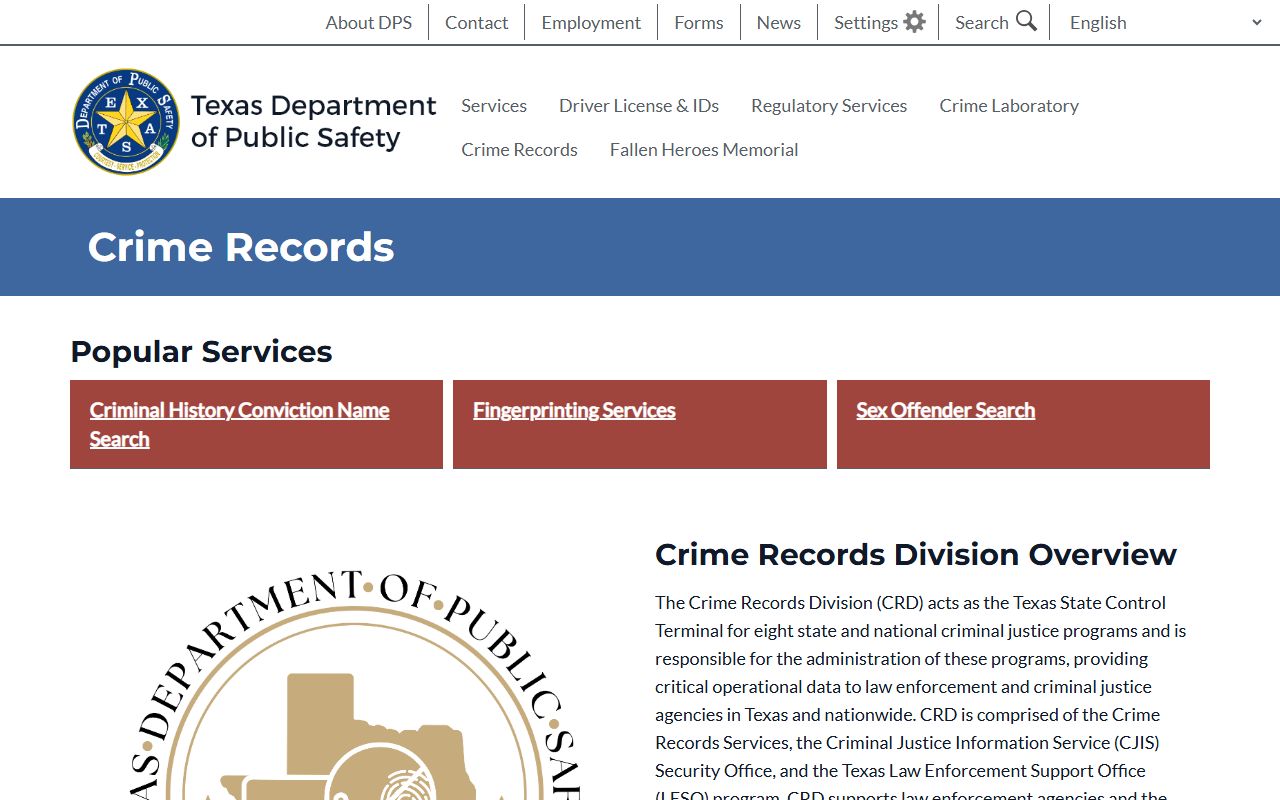
The Texas Department of Public Safety Crime Records Division maintains the Computerized Criminal History (CCH) system. This system stores conviction records and deferred adjudication data reported by courts and law enforcement agencies across the state. The CCH is separate from a county jail roster. The DPS system shows criminal history, while a jail roster shows who is currently booked.
DPS handles several programs relevant to jail record research. The agency runs the Criminal History Name Search, which the public can use to look for conviction records. They also manage the Texas Sex Offender Registry, which shows registered sex offenders by name, address, and photo. The registry includes separate searches for offenders near colleges and universities. For questions about criminal history, call DPS at (512) 424-7256.
VINE Victim Notification for Texas Jails
VINELink covers many Texas county jails and lets victims register for automatic notifications. When an offender is released, transferred, or escapes, you get a phone call, email, or TTY message right away. The system runs 24 hours a day, seven days a week. Registration is confidential. The offender does not know when someone signs up for alerts. Not every Texas county participates, so check the VINELink website to see if the jail you need is listed.
The TDCJ Victim Services Division handles a similar system for state prison inmates. If the person you're tracking is in a state facility rather than a county jail, contact TDCJ Victim Services at 936-295-6371 or 800-535-0283. They can tell you an inmate's current location and help you register for notifications about parole reviews or status changes.
Texas Court Records and Jail Rosters
A jail roster shows who is currently in custody. Court records show what happened with a case after booking. These are two different systems. The Texas Judicial Branch provides access to court case information through various county and district clerk portals. Some counties use the re:SearchTX system, a statewide public access portal for case lookups. Others run their own online search tools.
Court records can tell you if charges were filed, what the outcome was, and whether a person is out on bail or serving a sentence. Jail rosters tell you if someone is currently in the facility right now. Using both together gives you a fuller picture. The Texas Judicial Branch website at txcourts.gov links to court resources for each county.

Federal Inmates and Juvenile Records in Texas
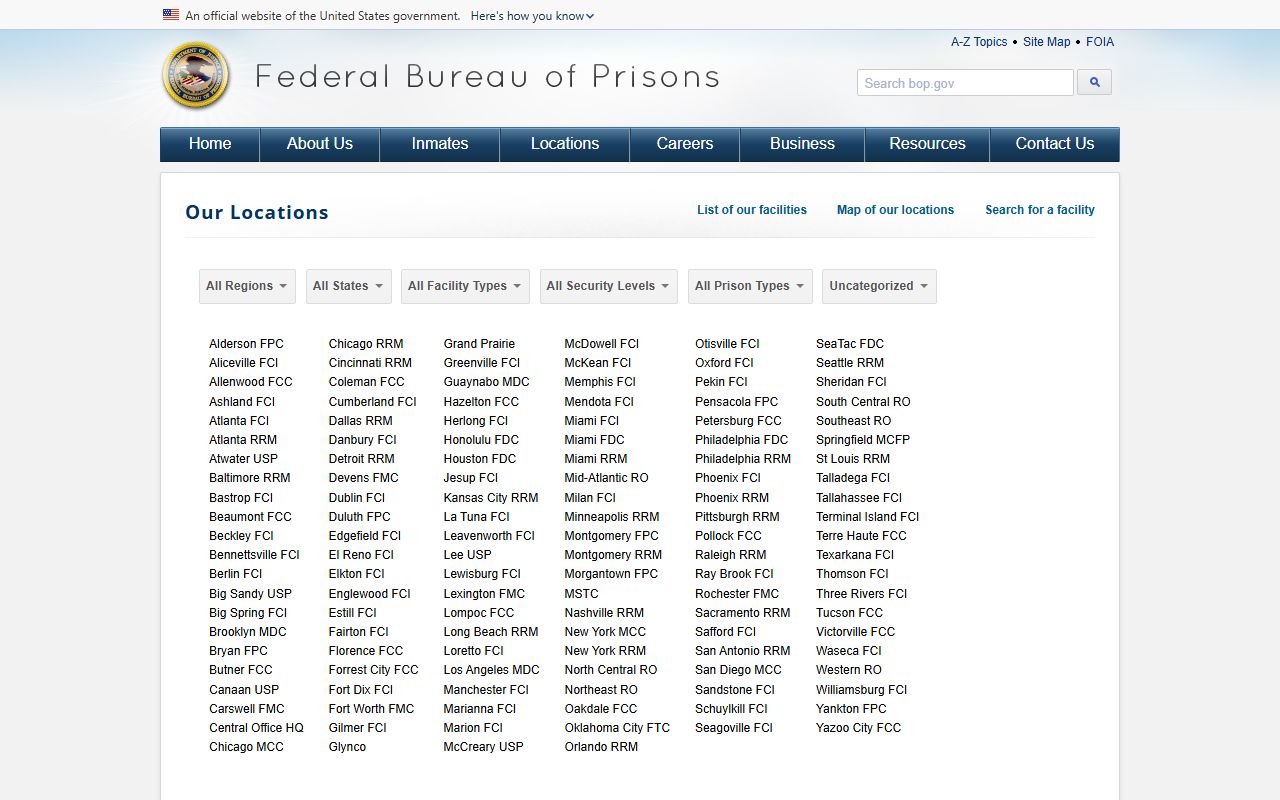
Federal inmates are not listed on county jail rosters. The Federal Bureau of Prisons maintains a separate inmate locator for people held in federal facilities. Texas has multiple federal prisons including facilities in Bastrop, Beaumont, Big Spring, El Paso, and Fort Worth. Use the BOP Inmate Locator at bop.gov to find federal inmates by name or register number.
Juvenile records are handled differently from adult jail records in Texas. The Texas Juvenile Justice Department oversees 17 detention centers and several halfway houses for juvenile offenders. Juvenile records are generally confidential under state law and do not appear on public jail rosters. If a juvenile is certified to stand trial as an adult, their records may become public. The TJJD website provides general information about the juvenile justice system but does not offer public searches of individual juvenile records.

Texas Law Enforcement and Jail Operations
The Texas Commission on Law Enforcement certifies jailers and peace officers across the state. All jail staff must meet TCOLE training standards, which include courses on inmate rights, record-keeping procedures, and facility operations. TCOLE also investigates complaints against officers and maintains records of disciplinary actions.
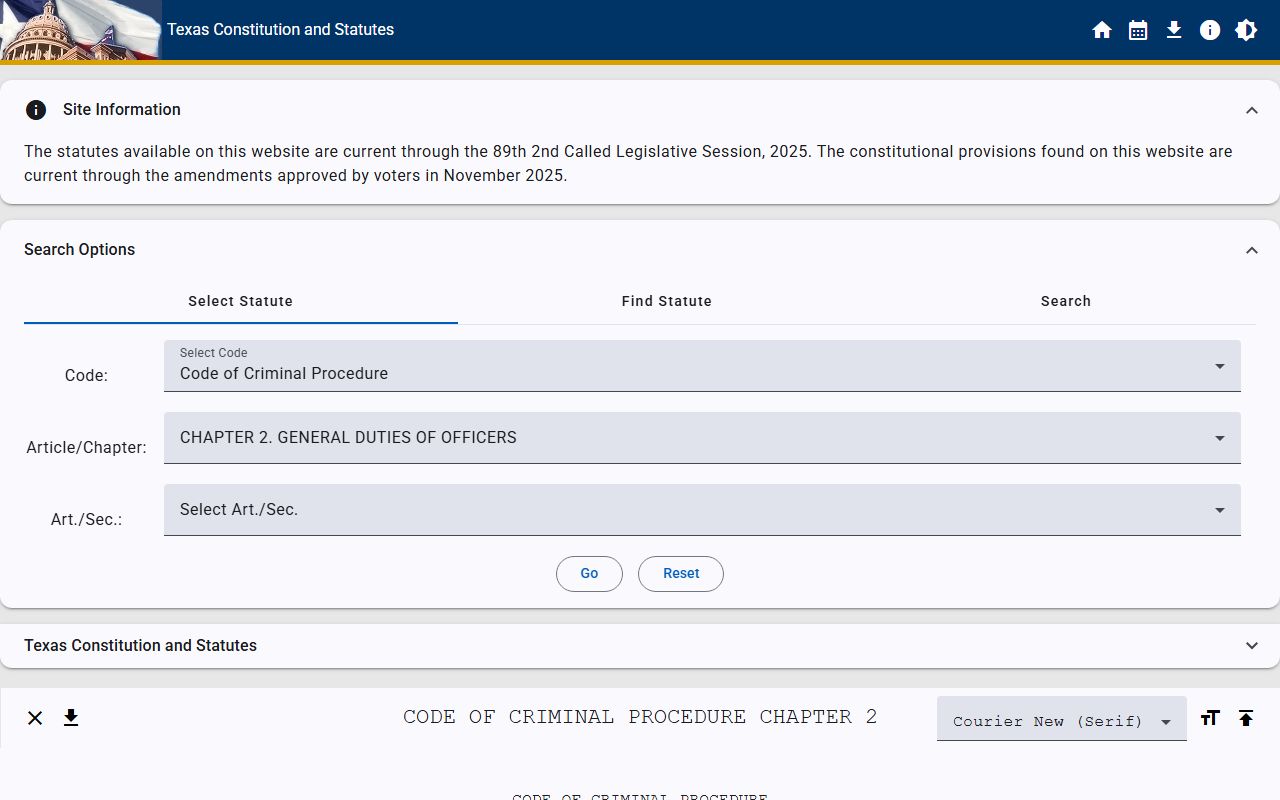
Booking records start with the arrest itself. Under Texas Code of Criminal Procedure Article 14.01, a peace officer can arrest someone without a warrant for any offense committed in their presence. Article 14.03 covers mandatory arrests in family violence situations. After arrest, officers bring the person to the county jail, and the booking process creates the initial record that feeds the jail roster.

Requesting Jail Records in Texas
Texas Government Code Chapter 552, the Public Information Act, gives anyone the right to request government records. This includes jail records. You do not need to give a reason. You don't have to be a Texas resident. Submit your request to the county sheriff's office that holds the records. Include as much detail as you can: the inmate's name, booking number, and date range. The government body must respond within 10 business days.
Some information on jail rosters may be withheld. Medical records and information about ongoing investigations can be kept private. Records that could jeopardize facility security may also be redacted. Juvenile records are generally confidential. If the agency believes some information is exempt from release, they must request an Attorney General opinion within 10 business days. The AG then decides what must be disclosed.
Note: Jail rosters show current inmates only. For historical records or past bookings, submit a Public Information Act request directly to the county sheriff.
Victim Services and Inmate Tracking
Several resources help victims track the status of people who harmed them. VINELink at vinelink.com covers many county jails statewide. TDCJ Victim Services at tdcj.texas.gov/divisions/vs handles state prison and state jail inmates. Both services offer free, confidential notification when an offender's status changes.

Browse Texas Jail Rosters by County
Each of Texas's 254 counties has its own sheriff and jail. Pick a county below to find the sheriff's contact information, local inmate search tools, and resources for that area.
Jail Rosters in Major Texas Cities
Texas cities don't run their own county jails. When someone is arrested in a city, they go to the county jail. Pick a city below to find the jail serving that area and how to search the roster.